The Healing Hearts Mental Health Curriculum.
A structured five-module curriculum designed by students, informed by Teen Mental Health First Aid Australia training, refined through research and validated through real-world implementation.
Five interconnected modules.
Together, the five modules help young people understand their inner world, respond to academic and social pressures, form healthier relationships, manage comparison and develop resilience when facing setbacks.
Developed through training, research and experience.
The curriculum was developed from our learnings through Teen Mental Health First Aid Australia training conducted by MPower. These foundations were strengthened through secondary research, expert guidance and direct experience delivering mental health sessions across NGOs and schools.
The curriculum draws on the principles and practical learnings gained through our Teen Mental Health First Aid Australia training conducted by MPower.
Secondary research and guidance from Miss Aachal Jain, Pastoral Care Coordinator at Aditya Birla World Academy, helped ensure that the material was psychologically informed, age-appropriate and practical for young audiences.
The modules were first implemented through sessions in NGOs and schools, allowing the team to observe how young people from different age groups, backgrounds and learning environments responded to the content.
Participant responses, facilitator observations and levels of student engagement were used to revise the language, activities and delivery of each module. The curriculum continues to evolve as it is implemented in new environments.
What it teaches and why it matters.
A five-module mental health curriculum designed to help young people better understand themselves and manage the emotional, academic and social challenges they encounter. Through guided discussion, reflection and interactive activities, it develops practical skills that can be applied beyond the classroom.
Young people are increasingly exposed to stress, comparison and emotional pressure, often without adequate coping mechanisms or spaces in which these experiences can be discussed openly. Mental health education is also frequently overlooked or introduced only after difficulties arise. The curriculum provides earlier, age-appropriate and practical support.
- Emotional awareness and identification
- Healthy emotional expression and communication
- Coping and self-regulation strategies
- Empathy and relationship-building
- Problem-solving and reflective thinking
- Improved ability to recognise and articulate emotions
- Greater use of healthy coping mechanisms during stressful situations
- Increased confidence and emotional understanding
- More positive peer interactions and social behaviour
- Greater willingness to seek support when necessary
Tested in real learning environments.
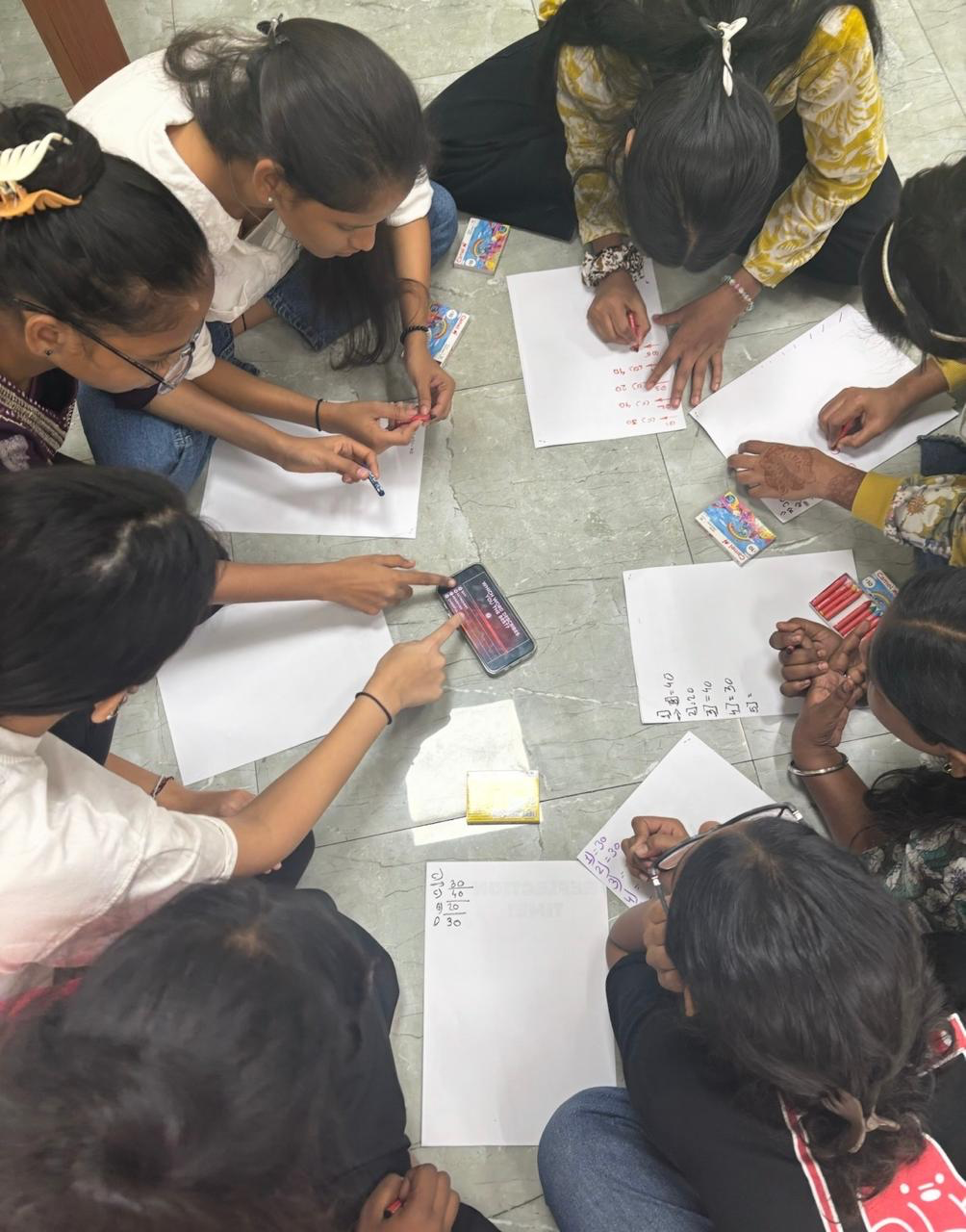
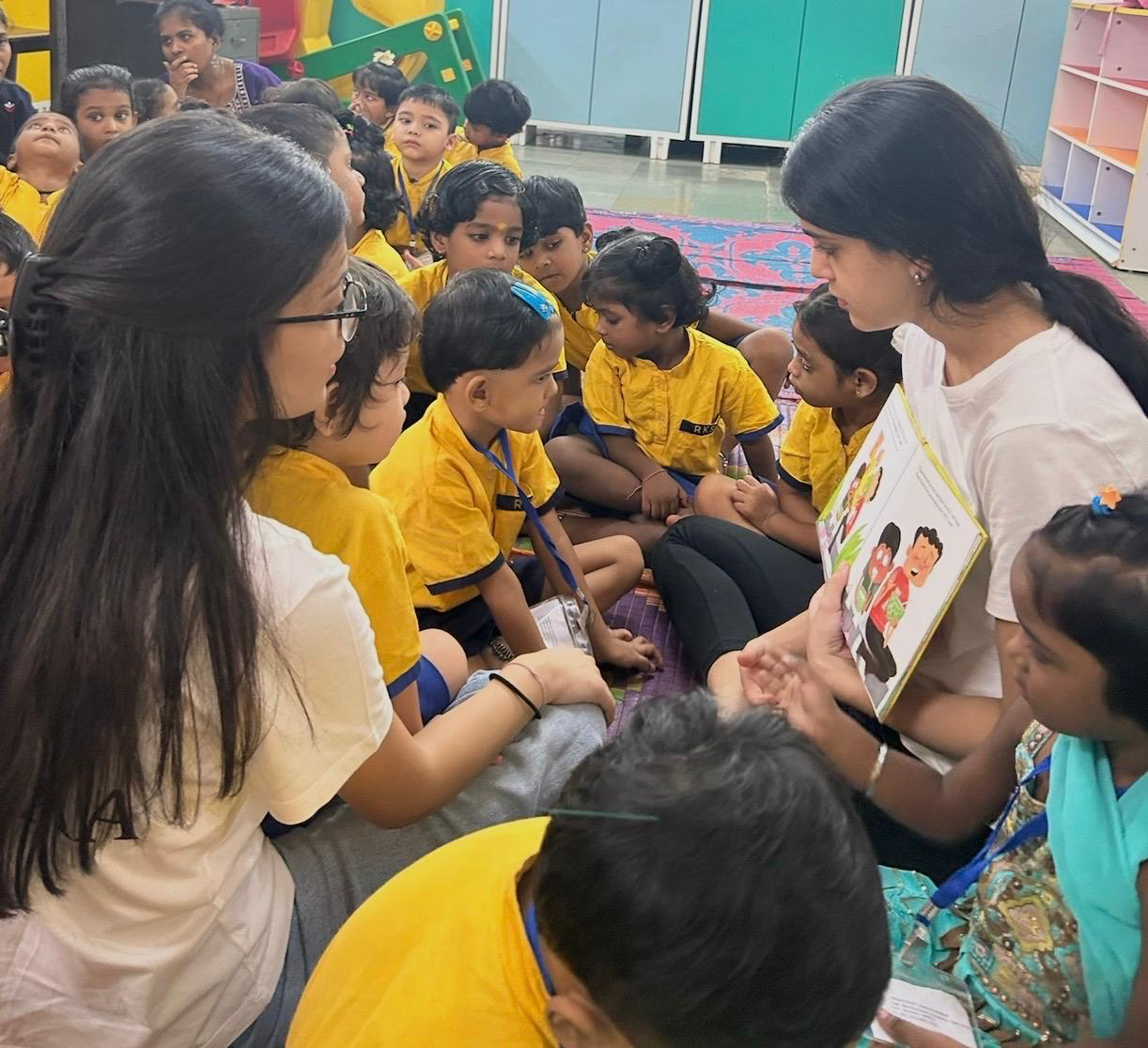
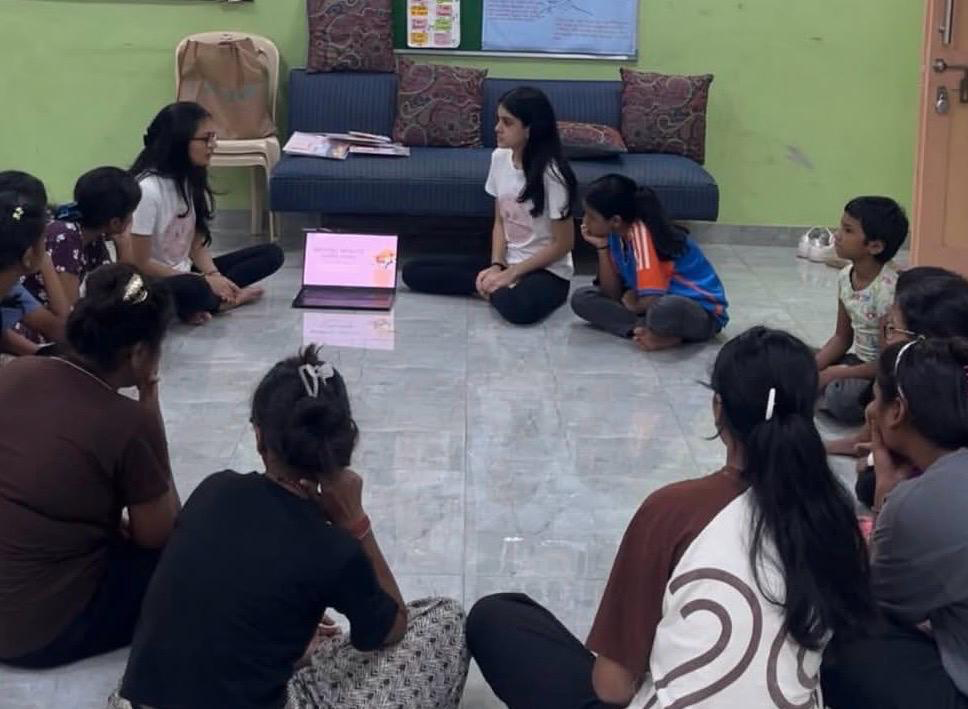
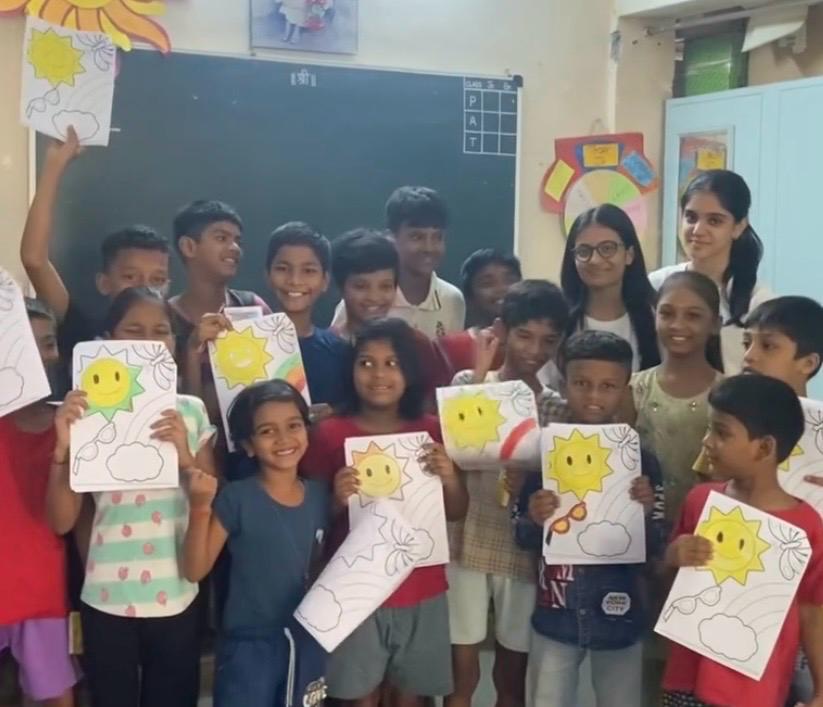
The curriculum has been delivered through interactive sessions across NGOs and schools working with children and adolescents from varied age groups and backgrounds.
Rather than relying on one fixed method, each session is adapted to the participants' needs through guided discussions, visual activities, reflection exercises and practical coping strategies. Facilitator observations and participant responses are then used to refine the modules and improve future delivery.
This field-based process helps ensure that the curriculum remains accessible, adaptable and relevant across different learning environments.
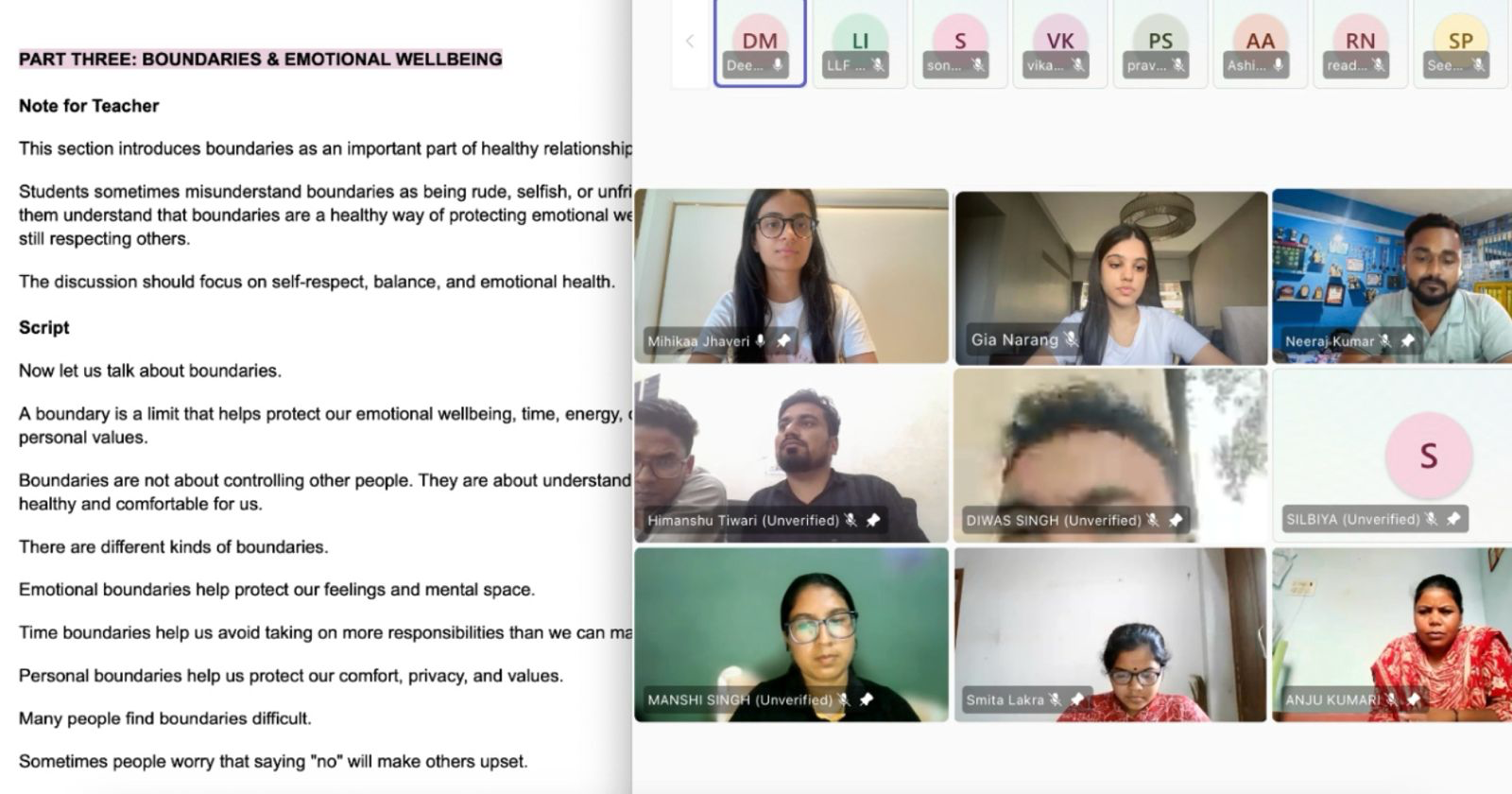
Teacher training and the multiplier effect.
To extend the curriculum beyond individual sessions, Healing Hearts trains teachers and facilitators to deliver the modules independently within their own learning environments.
The training explains the purpose of each module, guides educators through discussion prompts and activities, and provides practical direction for handling sensitive conversations with clarity and care.
By equipping educators with structured material and adaptable session plans, the curriculum can reach more young people consistently and create a wider, longer-term impact.
Designed for impact beyond a single session.
Through direct sessions and a teacher-training model, the curriculum has expanded beyond individual workshops. Educators are equipped with structured modules, activities and discussion guides that allow the material to continue reaching young people within their own communities.